The Short Answer
To do a pelvic floor exercise, squeeze the muscles you would use to stop yourself passing wind or urine mid-flow, hold for three to five seconds, then release completely for the same length of time. Do around ten repetitions, three times a day. Clinical trials show improvements in erectile function, ejaculatory control, arousal, lubrication and orgasm within roughly eight to twelve weeks of consistent, correct practice.
Key Takeaways
Squeeze as if stopping wind, not by clenching the buttocks or holding your breath.
The release matters as much as the squeeze. A tight pelvic floor causes its own problems.
Expect results in eight to twelve weeks, not days.
If you have pelvic pain, see a physiotherapist before starting kegels.
What the Pelvic Floor Actually Does
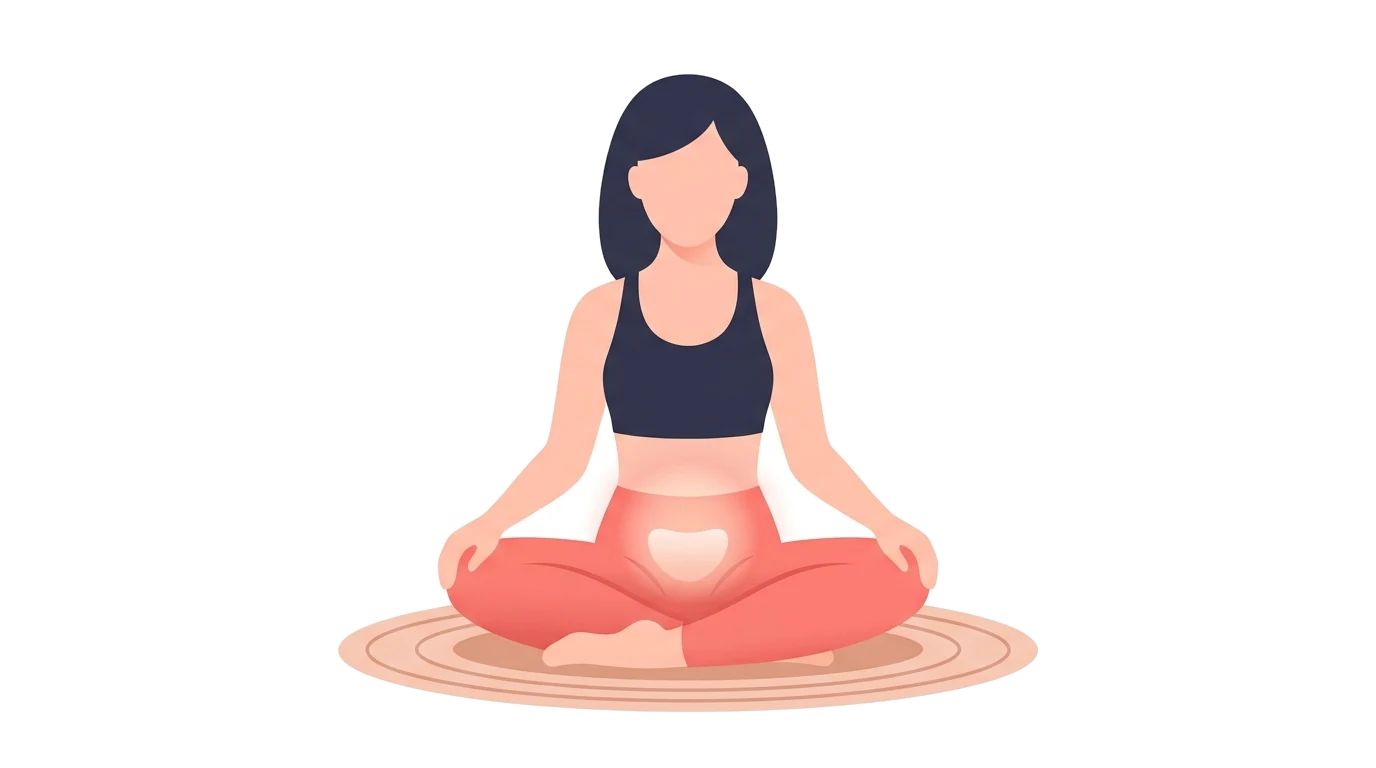
The pelvic floor is a hammock of muscle running from the pubic bone to the base of the spine. It supports the bladder, bowel and, in women, the uterus. It is also directly involved in sexual function in both sexes, which is the part most people never hear about.
In men, the ischiocavernosus and bulbocavernosus muscles help trap blood in the penis, which is what maintains rigidity, and they are involved in the rhythmic contractions of ejaculation. In women, the same muscle group contracts during orgasm, contributes to sensation during penetration, and influences blood flow to the vagina and clitoris, which affects both arousal and lubrication.
What the evidence shows for men
Randomised trials and systematic reviews support pelvic floor muscle training as a first-line or add-on treatment for mild to moderate erectile dysfunction, with improvements in erectile function and hardness typically appearing within eight to twelve weeks. There is also credible evidence for improved ejaculatory control in premature ejaculation.
What the evidence shows for women
Trials in women of reproductive age found pelvic floor training improved desire, arousal, lubrication, orgasm and satisfaction, and reduced pain during intercourse. Similar improvements in arousal, orgasm and satisfaction have been reported in postmenopausal women and in postpartum recovery.
Finding the Right Muscles
This is where most people go wrong, and doing the exercise with the wrong muscles is worse than not doing it at all, because it builds a habit that is hard to unlearn.
The wind test. Imagine you are trying to stop yourself passing wind. That lifting, tightening sensation at the back is the pelvic floor. This is the most reliable cue for both men and women.
The urine test, once only. Stopping your urine stream mid-flow identifies the muscles. Use it to locate them and then never again, because regularly interrupting urination can cause bladder problems.
For men, the visual check. Standing in front of a mirror, a correct contraction causes the base of the penis to draw in slightly and the testicles to lift. Nothing else should move.
For women, the internal check. With a clean finger inserted into the vagina, a correct contraction feels like a gentle squeeze and lift around it.
You are doing it wrong if
Your buttocks clench, your thighs tighten, your stomach visibly pulls in hard, or you hold your breath. From the outside, a correct pelvic floor contraction is essentially invisible. If anyone can tell you are doing it, you are recruiting the wrong muscles.
The Routine
A complete programme uses two types of contraction, because the pelvic floor contains both slow-twitch fibres for endurance and fast-twitch fibres for quick response. Training only one leaves half the benefit on the table.
Slow holds, for endurance
Squeeze and lift, hold for three to five seconds, then release completely and rest for the same length of time. Build up to holds of ten seconds as it gets easier.
Ten repetitions per set.
Quick flicks, for responsiveness
Squeeze and release as quickly as you can, without holding. These train the rapid response that matters for continence and for ejaculatory control.
Ten repetitions per set.
Frequency. One set of each, three times a day. That is roughly five minutes in total across the whole day.
Release fully every time. The relaxation phase is as important as the contraction. A pelvic floor that never fully releases becomes chronically tense, which causes pain rather than relieving it.
Breathe normally. Holding your breath means you are bearing down rather than lifting, which is the opposite of the intended movement.
Anchor it to a habit. Brushing your teeth, waiting for the kettle, sitting at a red light. Nobody can see you doing it, and consistency matters far more than intensity.
Give it eight to twelve weeks. This is muscle training. It follows the same timeline as any other strength work, and stopping at three weeks because nothing has changed is the most common reason people conclude it does not work.
When Kegels Are the Wrong Answer
This is the caveat that most articles leave out. Not every pelvic floor problem is a weakness problem. A significant number are tension problems, and in those cases strengthening exercises make the symptoms worse.
Pelvic pain
If you have ongoing pelvic pain, pain during sex, or a sense of constant tightness, an overactive pelvic floor is a real possibility. Kegels will aggravate it. Down-training and relaxation work is what is needed.
Vaginismus
Involuntary tightening that makes penetration painful or impossible is a tension condition. Strengthening is counterproductive, and pelvic floor physiotherapy with graded relaxation is the established approach.
Difficulty urinating
Hesitancy, a weak stream or incomplete emptying can indicate excessive pelvic floor tone and should be assessed rather than trained through.
Pelvic floor physiotherapy is a real specialism
Specialist pelvic health physiotherapists exist in most healthcare systems and can assess whether your pelvic floor is weak, tense, or uncoordinated, which are three different problems with three different treatments. If you have pain, or if twelve weeks of correct practice has changed nothing, that referral is the right next step rather than more repetitions.
If pain is the reason you are here, start with the common causes of painful sex before beginning any exercise programme. If orgasm is the goal, the orgasm gap covers the factors that matter more than muscle strength does. Men looking at this for stamina should read For Him, which puts pelvic floor training alongside the other things that actually help.
Further Reading
This article supports our full Health & Safety guide, which covers the subject end to end. For anything about how we write and review this material, see about us or the FAQ.
For clinical and public-health information beyond the scope of an educational guide, these independent sources are worth reading:
A note on medical advice
How To Sex is an educational publisher, not a medical provider. Nothing here is a diagnosis or a treatment plan. Anything involving your own body, symptoms, medication or pregnancy should go to a qualified healthcare professional.
Frequently Asked Questions
How do I do kegel exercises correctly?
Squeeze the muscles you would use to stop yourself passing wind, lifting rather than bearing down, hold for three to five seconds, then release completely for the same length of time. Do ten repetitions, plus ten quick squeeze-and-release flicks, three times a day. Your buttocks, thighs and stomach should stay relaxed and your breathing should stay normal.
How long before kegel exercises improve sex?
Clinical trials generally report measurable improvements in erectile function, arousal, lubrication and orgasm within eight to twelve weeks of consistent, correct practice. This is muscle training and follows the same timeline as any other strength work, so stopping after two or three weeks is the most common reason people conclude it does not work.
Do kegel exercises help men?
Yes. Randomised trials and systematic reviews support pelvic floor muscle training as a first-line or add-on treatment for mild to moderate erectile dysfunction, and there is credible evidence for improved ejaculatory control in premature ejaculation. The muscles involved help trap blood in the penis and participate in the contractions of ejaculation.
Can you do too many kegels?
Yes. A pelvic floor that is never fully relaxed becomes chronically tense, which causes pain, urinary hesitancy and discomfort during sex. The release phase is as important as the squeeze, and three short sets a day is sufficient. More is not better.
Who should not do kegel exercises?
Anyone with ongoing pelvic pain, pain during sex, vaginismus, or difficulty urinating should be assessed before starting, because these often indicate an overactive rather than weak pelvic floor, and strengthening exercises will make them worse. A specialist pelvic health physiotherapist can determine which problem you actually have.
How do I know I am using the right muscles?
The contraction should be invisible from the outside. Men can check in a mirror: the base of the penis draws in slightly and the testicles lift, with nothing else moving. Women can check with a clean finger inserted into the vagina, feeling a gentle squeeze and lift. If your buttocks clench or you hold your breath, you are using the wrong muscles.